OBA 2026 · Unheard Stories

Films & Screenings

Music, dance, memory and living heritage across the Turkic world.
Explore 18 films and the stories, people and places they carry.

19–23 November 2026 · Çanakkale, Türkiye
Screenings take place 19–22 November. Times are local to Çanakkale and refer to the screening session, rather than an individual film’s exact start. Programme subject to change.

View the full festival programme ↗ Türkçe Program (PDF)

The films

18 films
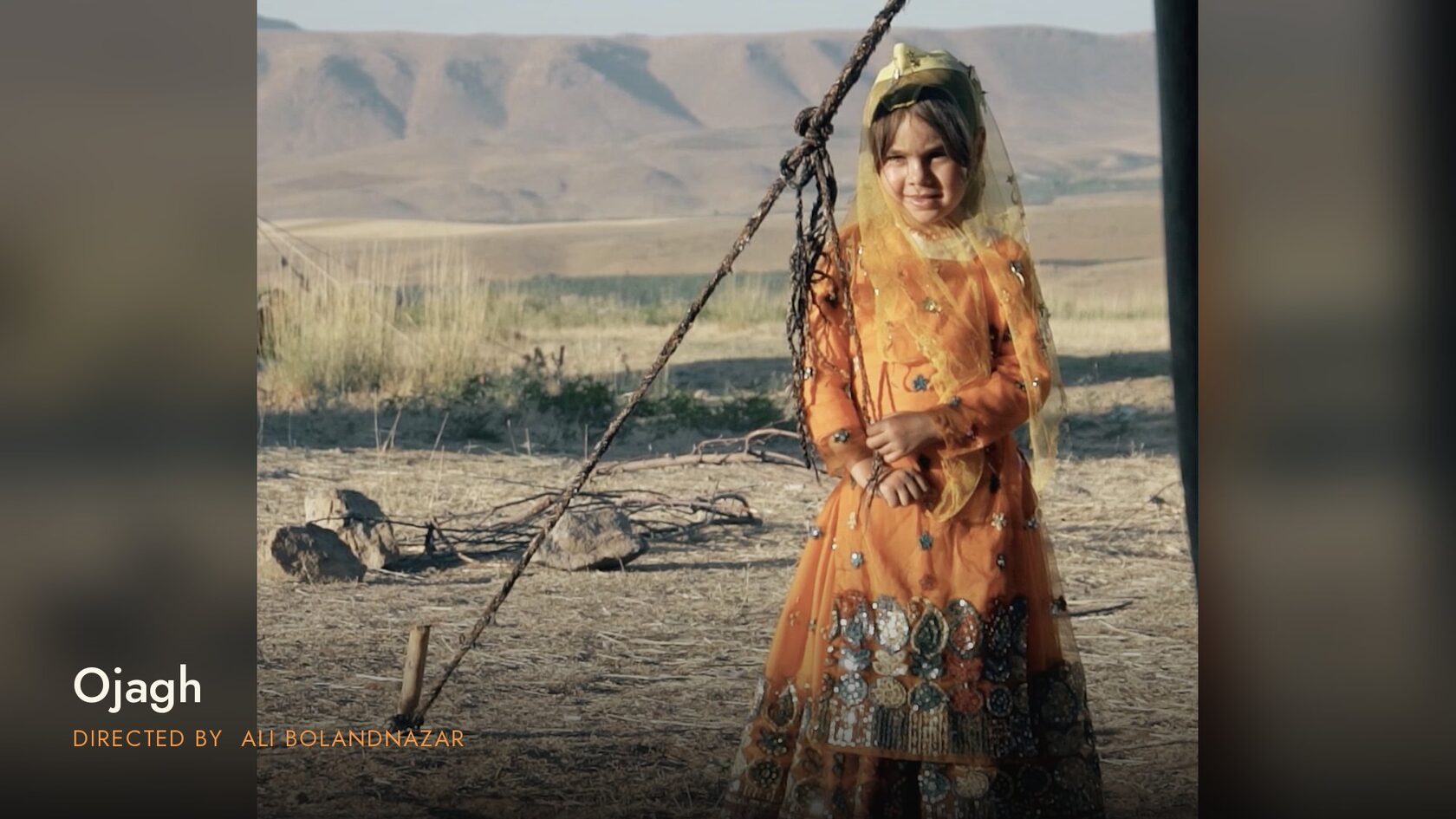
Ojagh — Ali Bolandnazar

Thursday 19 November · Screening I

Ojagh

Filmmaker: Ali Bolandnazar

20 min · Session 18:45–19:45

Read synopsis

Ojagh is an ethnographic documentary with a poetic and interactive approach, exploring the rituals and beliefs of the Turkic-speaking nomadic Qashqai people of southern Iran. Through questions surrounding the meaning of the ojagh and the place of fire in their everyday life, rituals, culture, music and beliefs, the film explores seemingly simple yet profound concepts.

About the filmmaker

Ali Bolandnazar is a researcher, writer, and documentary filmmaker. His work explores the culture, history, rituals, and ways of life of indigenous communities, particularly the Qashqai nomads of southern Iran. His filmmaking approach combines field research and an insider’s understanding of culture with ethnographic observation and cinematic storytelling. His works include the documentaries Ojagh, Ninizak 1857, and Southern Riflemen.

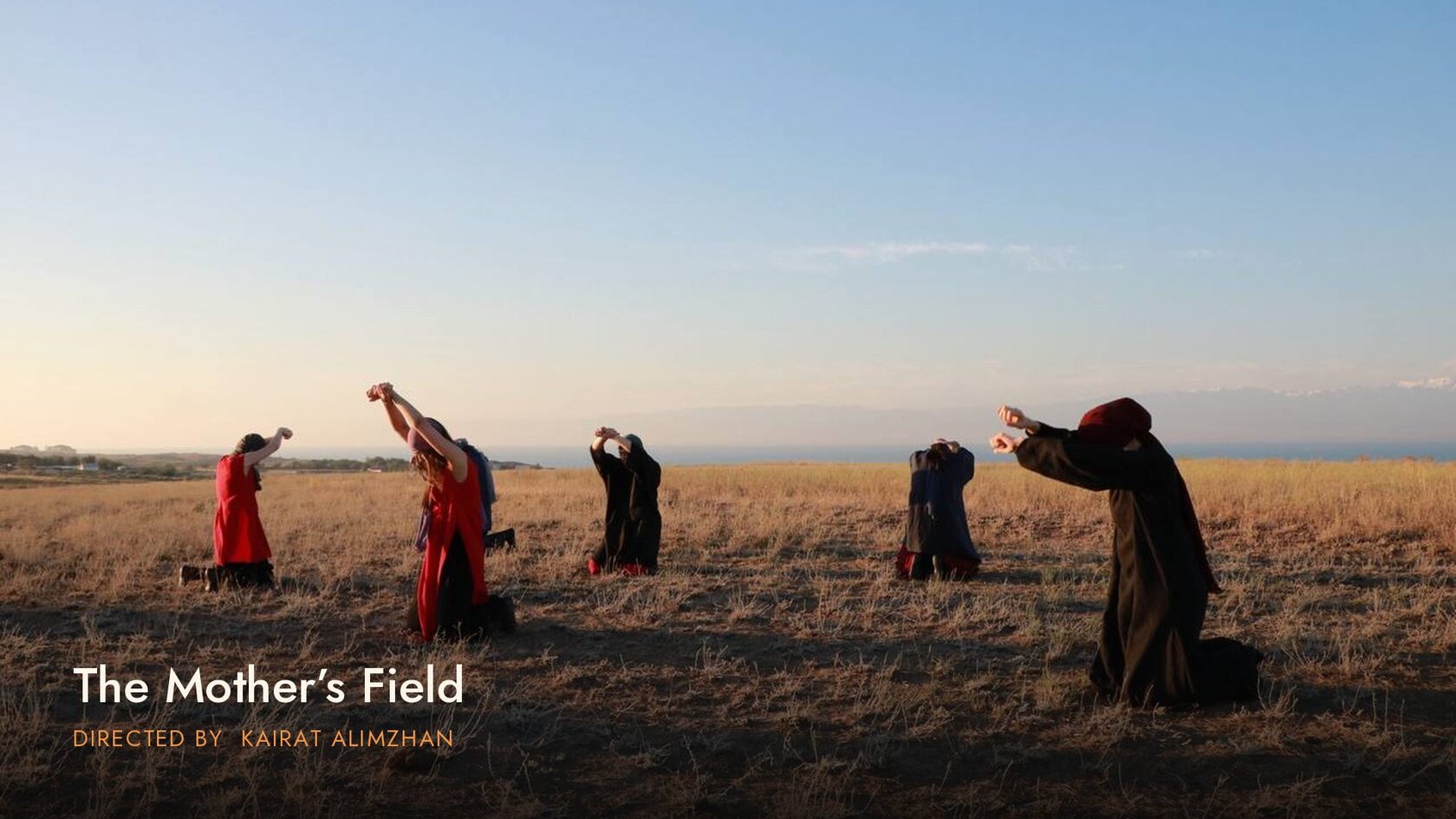
The Mother’s Field — Kairat Alimzhan

Thursday 19 November · Screening I

The Mother’s Field

Filmmaker: Kairat Alimzhan

2 min 58 sec · Session 18:45–19:45

Read synopsis

Based on the novella The Mother’s Field by Chingiz Aitmatov, this screendance explores the profound, sacred connection between woman and the earth, portraying the earth itself as a mother who endures all hardships. Through choreography, the film unveils the depth of the female soul, drawing a parallel between a woman’s resilience and the suffering of the soil. Ultimately, it stands as an anti-war manifesto: war is inherently destructive, and the earth, like a mother, should not have to bear the pain of loss.

Director and choreographer: Kairat Alimzhan. Producer: Tomiris Mettybayeva.

About the filmmaker

Kairat Alimzhan is a Kazakhstani choreographer, ballet master, and dancer. Through the medium of the body, he explores diverse artistic forms, frequently participating in international festivals and competitions. He has also expanded his artistic practice into screendance, examining the human body through the lens of perception, sensation, and deeper understanding. A graduate of the Temirbek Zhurgenov Kazakh National Academy of Arts, Kairat is currently collaborating with director Ulan Myrza.

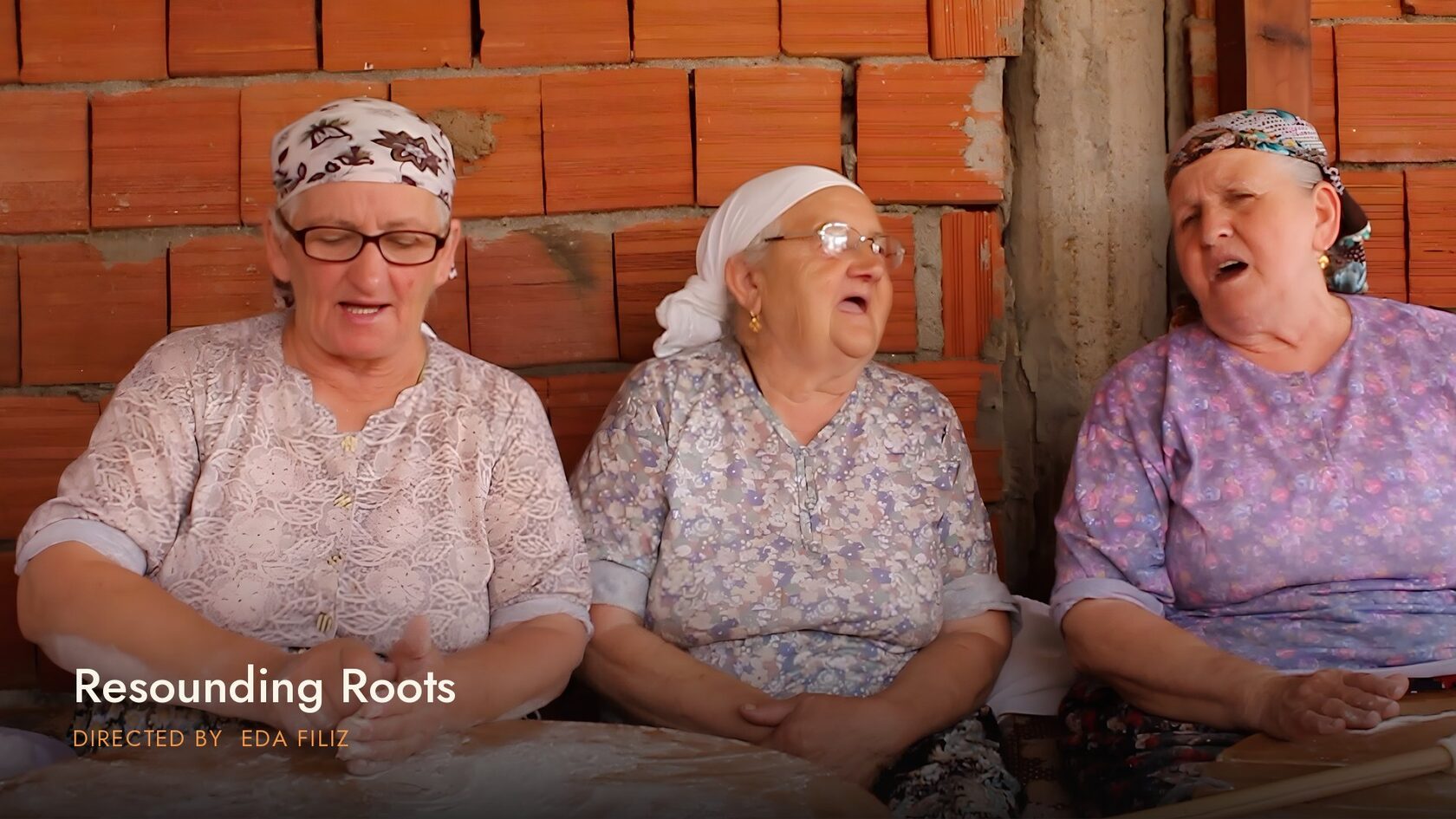
Resounding Roots — Ašikovanje: The Bosniak Art of Courtship — Eda Filiz

Thursday 19 November · Screening I

Resounding Roots — Ašikovanje: The Bosniak Art of Courtship

Filmmaker: Eda Filiz

12 min 44 sec · Session 18:45–19:45

Read synopsis

Ašikovanje is a Bosniak courtship tradition of window conversations and singing. In Kalafat, Biga, Çanakkale, Türkiye, founded in the 1870s by Bosniaks from Bosnia and Herzegovina’s Krajina region, a rare photograph captures one such encounter. Director Eda Filiz follows her parents Nesrin and Habil’s journey from seven years of window courtship to marriage. Their stories, Bosnian songs and family archives trace village traditions of love and marriage, exploring how cultural memory carried through migration lives on in music, memories and relationships across generations.

About the filmmaker

Eda Filiz is an independent researcher, documentary filmmaker, and cultural practitioner working across music, migration, and cultural memory. She holds an MA in Musicology from Istanbul Technical University and a BA in Radio, Television and Cinema from Istanbul University. Her ongoing project, Resounding Roots, documents the cultural and musical memory of her Bosniak village in Türkiye through audiovisual ethnography. She also develops In the Footsteps of Rebetiko in Athens, a participatory project exploring Rebetiko music culture firsthand through encounters with local musicians. Through YouTube and Instagram, she brings research on Balkan music and cultural memory into the public sphere, engaging an online community of more than 150,000 followers.

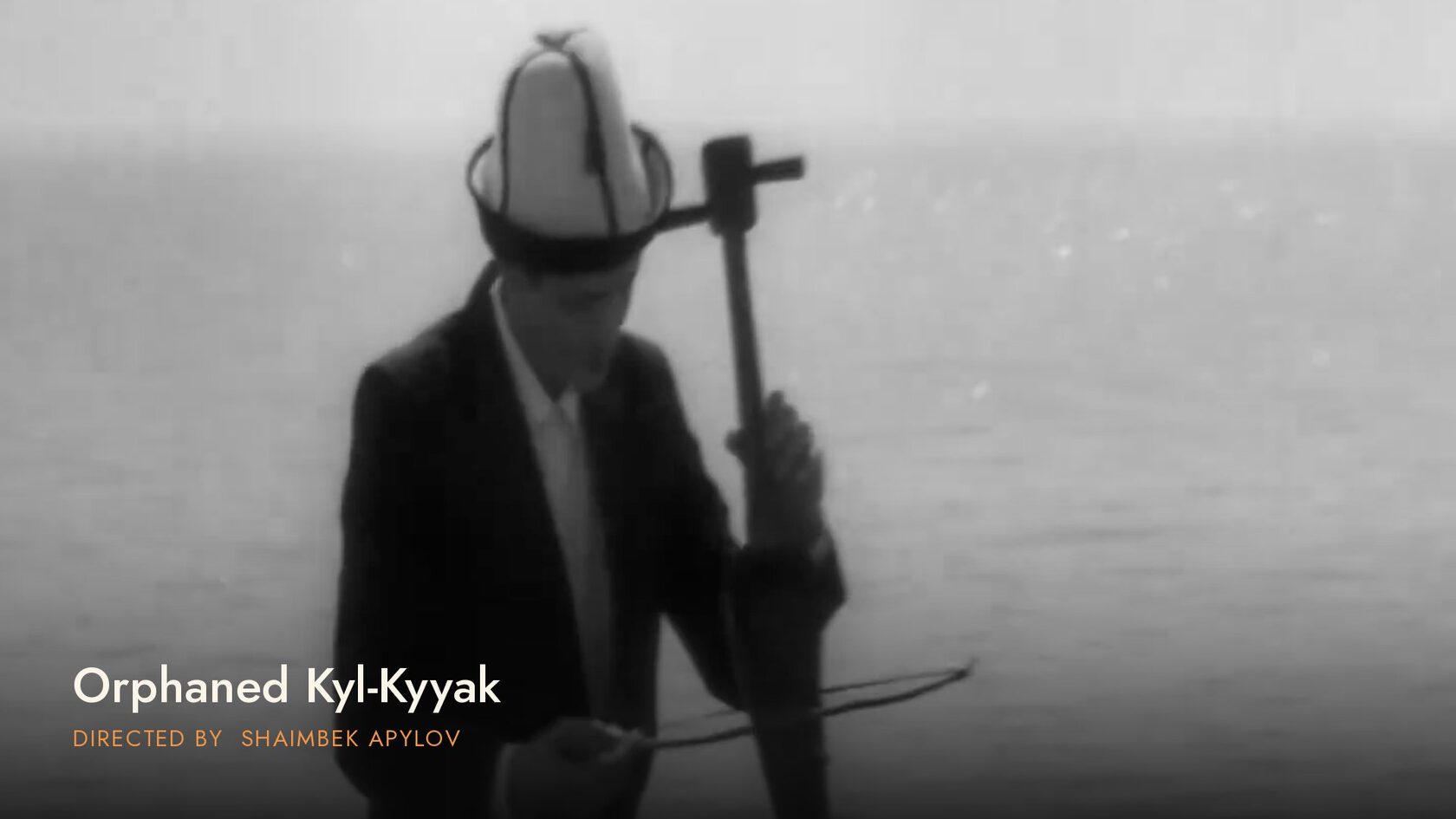
Orphaned Kyl-Kyyak — Shaimbek Apylov

Thursday 19 November · Screening I

Orphaned Kyl-Kyyak

Filmmaker: Shaimbek Apylov

11 min · Session 18:45–19:45

Read synopsis

Orphaned Kyl-Kyyak follows young kyl-kyyak master Bakyt Chytyrbaev at a pivotal moment in his artistic life. More than three decades later, the film has become an archival document of a musician who would go on to play a central role in preserving and transmitting one of Kyrgyzstan’s oldest bowed instruments. Reintroduced today, it offers both a portrait of an artist and a record of living musical heritage.

Production: Kyrgyzfilm. Film subject: Bakyt Chytyrbaev.

Colours of Happiness — Agdes Baghirzade

Thursday 19 November · Screening I

Colours of Happiness

Filmmaker: Agdes Baghirzade

6 min · Session 18:45–19:45

Read synopsis

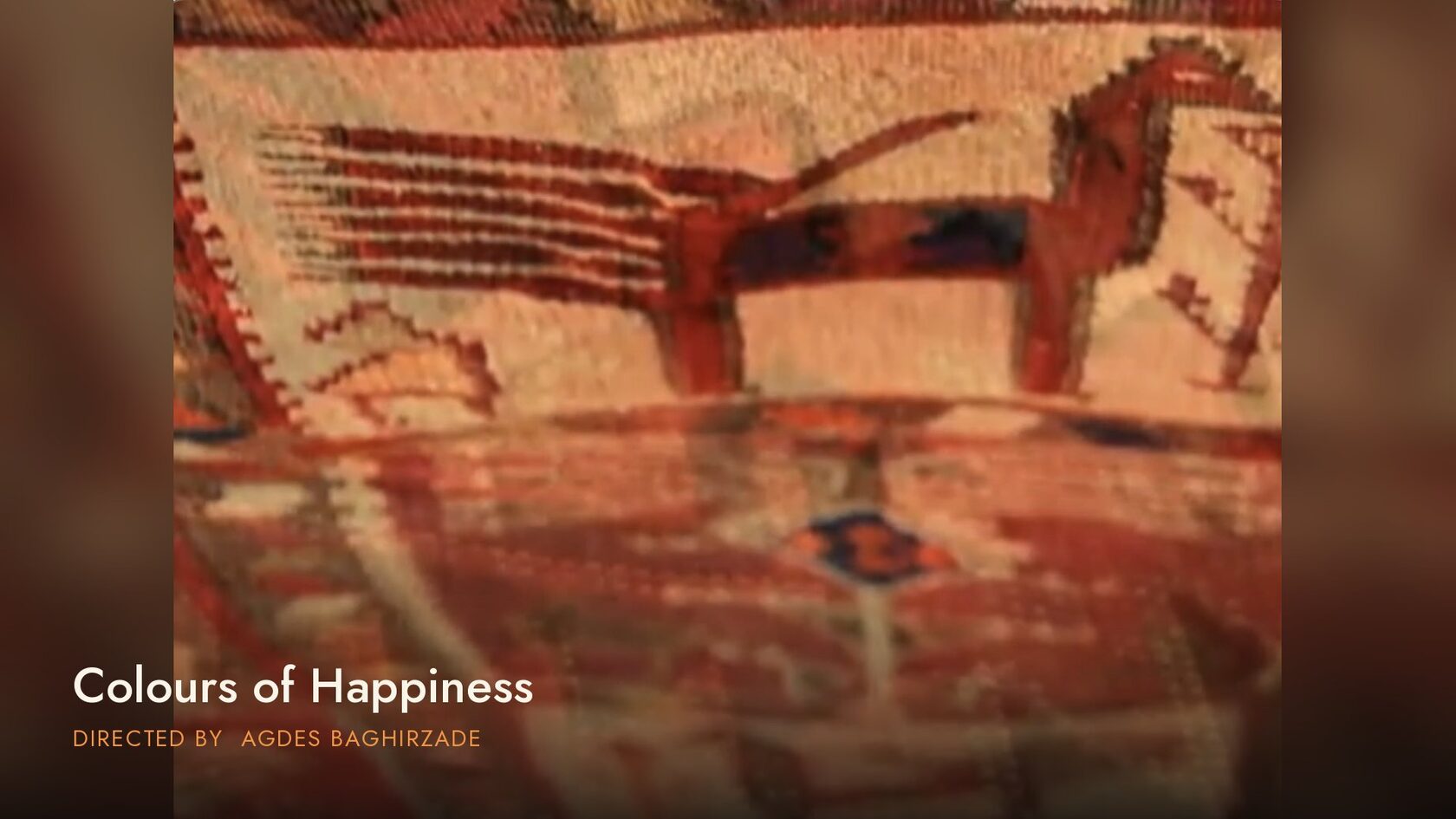
The camera enters homes, not museums. On floors and walls, in the quiet of private rooms, it finds the antique carpets of Azerbaijan, inherited and still lived with. There are no words. Only images and one melody. Vağzalı, a traditional Azerbaijani wedding melody that has led brides out of their fathers’ homes for generations, becomes the film’s editor. Each phrase decides when a frame holds and when it gives way. Patterns dissolve into one another, regions meet, colours pass from hand to hand like an inheritance. What was woven to stay inside the house is cut to the music of leaving it. The film becomes a single wedding procession of colour: memory taken off the wall and set in motion.

About the filmmaker

Agdes Baghirzade is an acclaimed Azerbaijani photo artist with a background in classical piano and a BA in Management from Western University in Baku. Active in art photography since 2000, she trained as an art manager and photo artist in Kansas City (USA) in 2006. Her prominent collections—including The Other Side of Me, Manipulators of Marionettes, and Salam, Azerbaijan—have been exhibited worldwide. The Other Side of Me was exhibited at the Azerbaijani Pavilion of the 59th Venice Biennale. A Gold Medalist at the International Tashkentale Photo Biennale and a Life Press Photo laureate, she also works as a motion picture stills photographer and serves as an international photo competition juror.

Familiar Echoes — Erdem Özdemir and Cüneyt Arslan

Thursday 19 November · Screening II

Familiar Echoes

A film by: Erdem Özdemir and Cüneyt Arslan

20 min · Session 20:00–21:00

Read synopsis

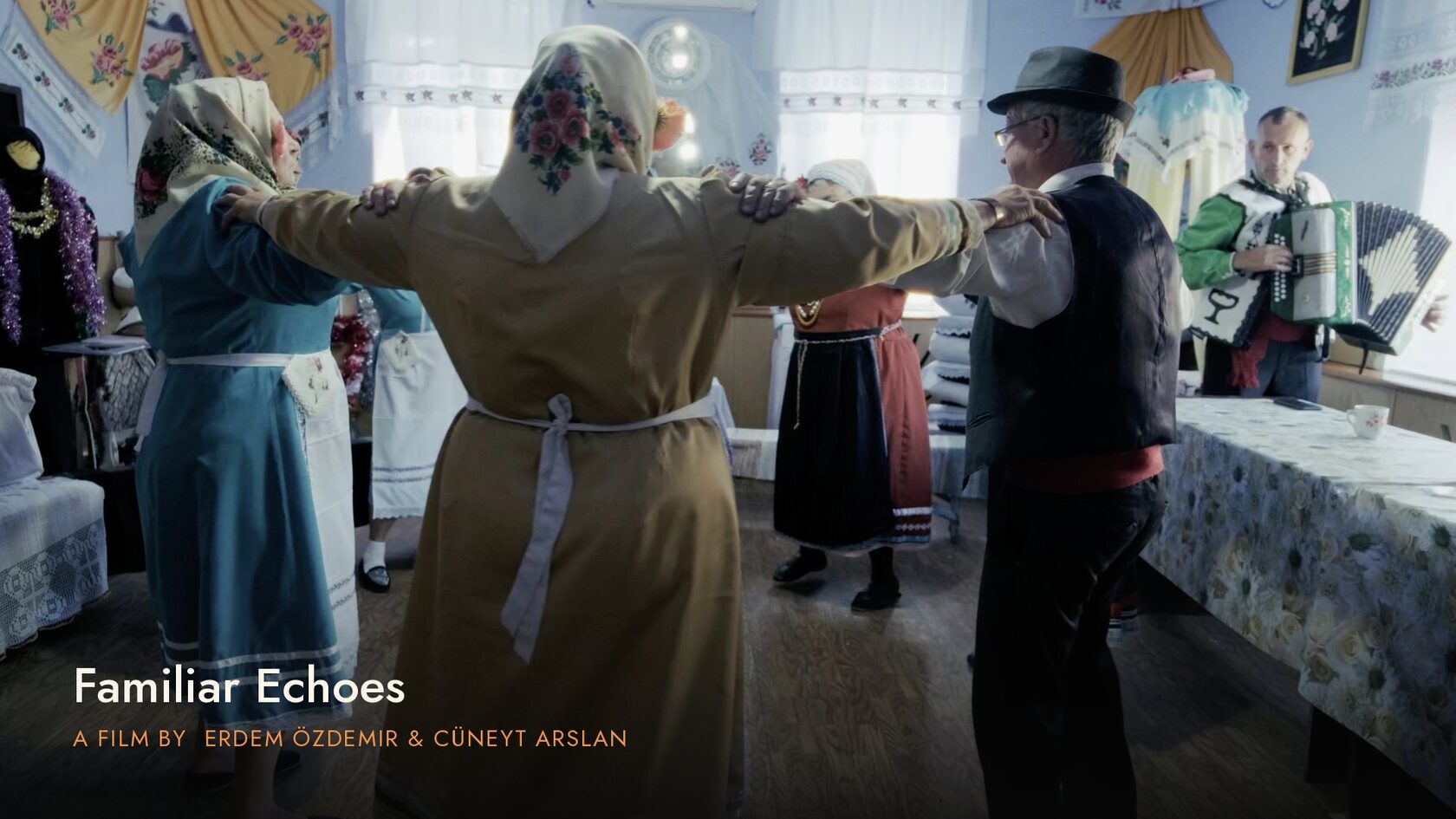
This documentary explores the traditional musical practices of the Gagauz people through ethnomusicological fieldwork conducted in Gagauzia, Moldova. Focusing on local performers, community ensembles, domestic musical practices and personal narratives, the film documents how songs, rituals and musical memories are transmitted across generations. Combining musical performances with the voices and experiences of community members, the documentary offers an intimate view of Gagauz musical culture and its place within contemporary community life.

About the filmmakers

Erdem Özdemir (Prof. Dr.) is a faculty member at Bursa Uludağ University State Conservatory and the founding Head of the Interdisciplinary Turkic World Music Master’s Program. He has conducted and continues to carry out music-focused fieldwork in various regions outside Türkiye, including Bulgaria, Hungary, Gagauzia, and North Macedonia. He is also the creator and host of Türkülerle Turan, a television program broadcast on TRT Müzik. Cüneyt Arslan is a Research Assistant at Bursa Uludağ University State Conservatory and a PhD candidate in Turkish Music. His academic work focuses on ethnomusicology, Turkish and Turkic traditional musics, and music theory. He has conducted music-focused fieldwork in Türkiye and various regions of the Balkans and the Turkic world, including Bulgaria, North Macedonia, Gagauzia, and Hungary. He is also an oud performer and has taken part in various academic, artistic, and media projects concerning the musical cultures of the Turkic world.

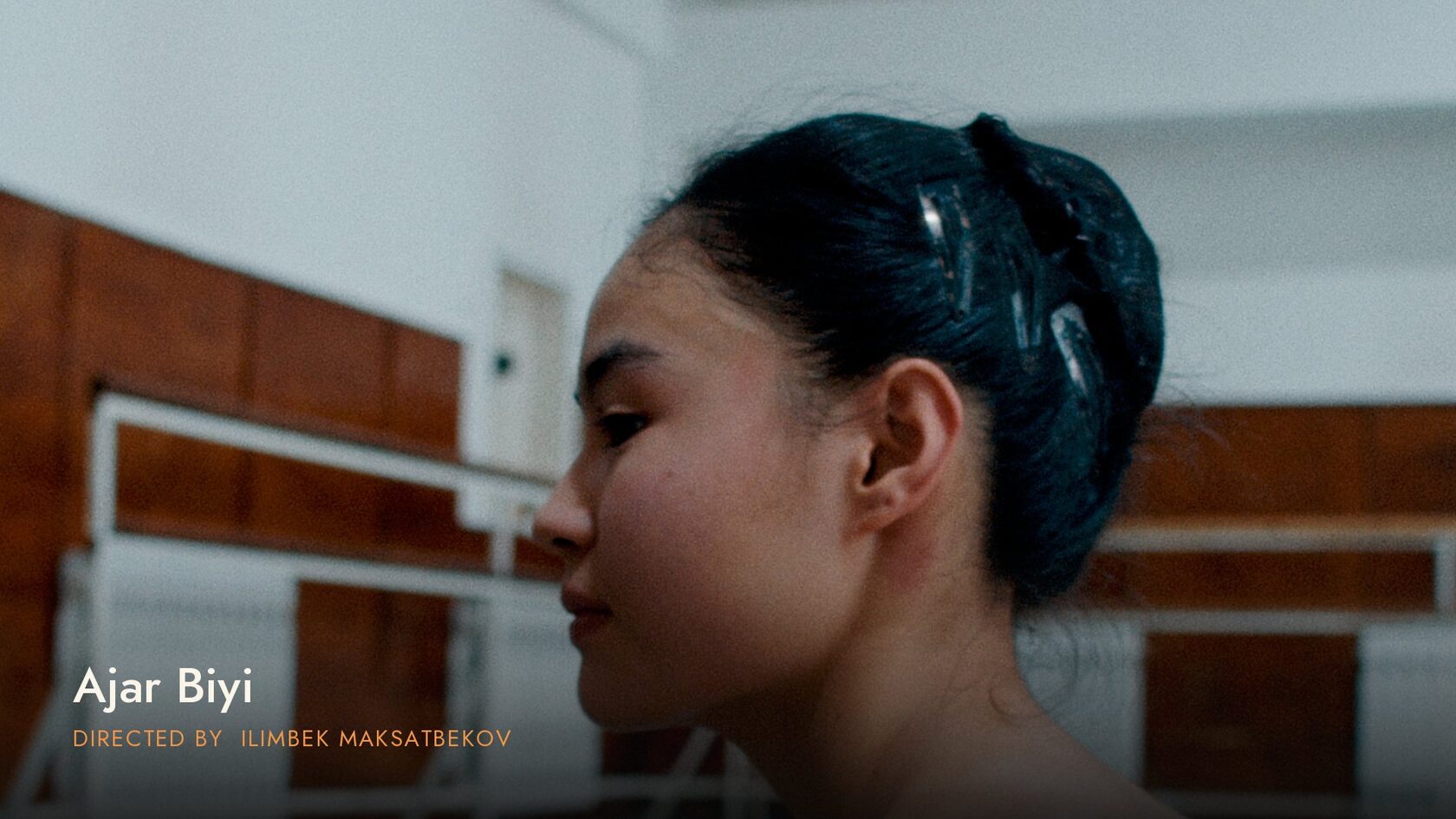
Ajar Biyi | Youth of Kyrgyz Ballet — Ilimbek Maksatbekov

Thursday 19 November · Screening II

Ajar Biyi | Youth of Kyrgyz Ballet

Filmmaker: Ilimbek Maksatbekov

7 min · Session 20:00–21:00

Read synopsis

Young ballerinas in Bishkek spend their days in the halls of a ballet school, caught between strict discipline and elusive dreams. Between classes, they reflect on their choices, their love for ballet, their fears, and an uncertain future in which not all of them will remain on stage.

About the filmmaker

Ilimbek Maksatbekov is a self-taught filmmaker from Kyrgyzstan whose work explores cultural heritage, identity, and generational change in Central Asia. Beginning with documentaries that attracted wide online audiences, he gradually expanded into narrative cinema. His films include Youth of Kyrgyz Ballet, selected for Umut Forum and UmutDoc; Pomposh, a winning project at the Asian Film Awards Academy’s International Film Camp 2026; and Araket, supported by the Swiss Embassy. His debut feature project, IZAT, currently in development, received a development award at the 2026 Bishkek International Film Festival’s Central Asian Film Pitching.

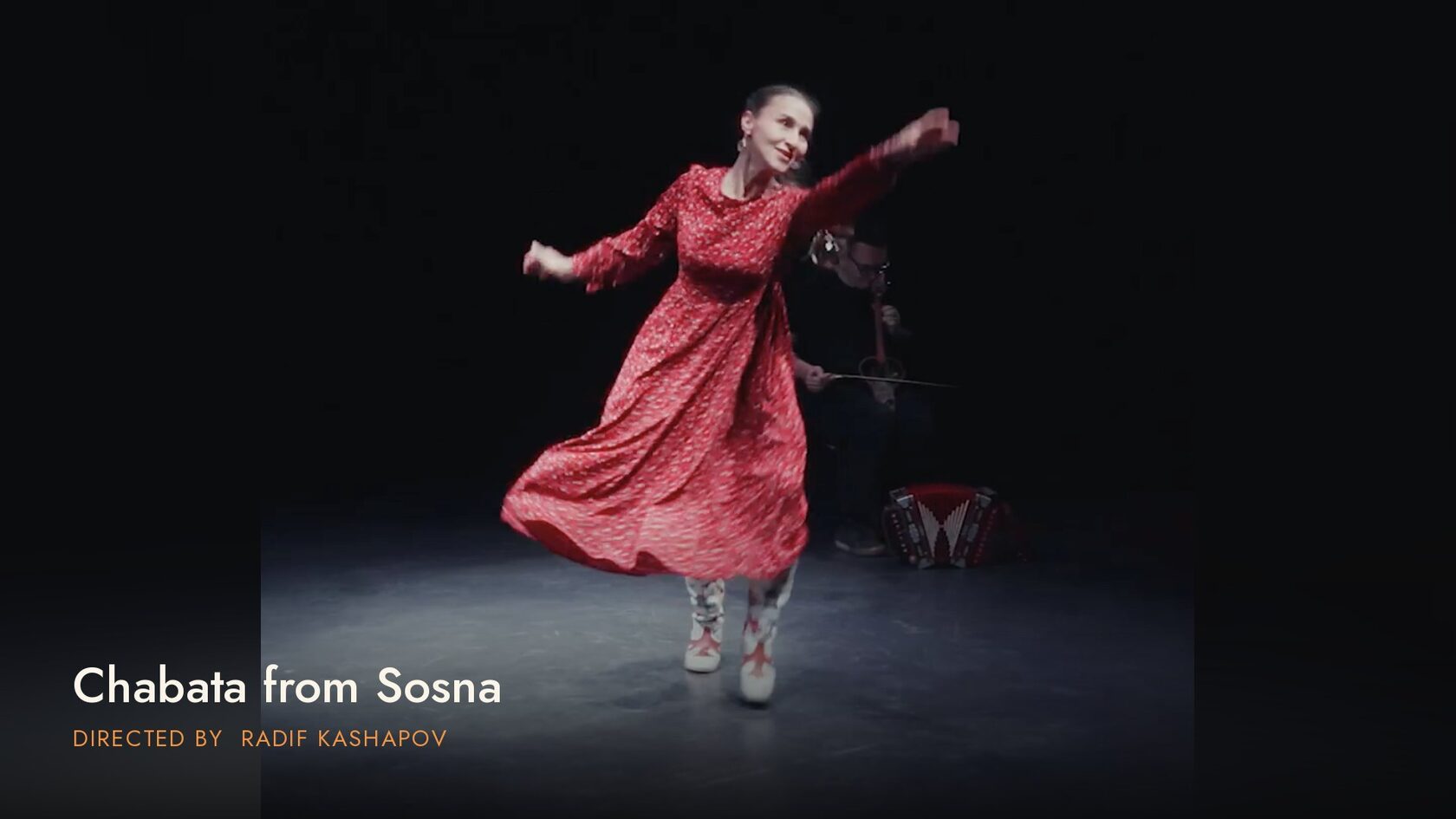
Chabata from Sosna — Radif Kashapov

Thursday 19 November · Screening II

Chabata from Sosna

Filmmaker: Radif Kashapov

19 min 56 sec · Session 20:00–21:00

Read synopsis

Chabata is a dance known throughout Tatarstan. Its peculiarity is in the rhythm: not two beats, but three! The film crew visits Nizhnyaya Sosna in the Baltasinsky district, one of the villages where the dance is especially popular. Here, chabata was seen by the choreographer of the Song and Dance Ensemble of the Republic of Tatarstan, transferred to the stage and made famous everywhere. Is this how traditions are preserved?

About the filmmaker

Radif Kashapov was born in 1982 in the village of Kutlu-Bukash, Rybno-Slobodsky district of the TASSR. He graduated from the Faculty of Journalism, Sociology and Psychology of KSU. He is a journalist, creative director of the Yummy Music label, musician, festival curator, playwright and comics writer.

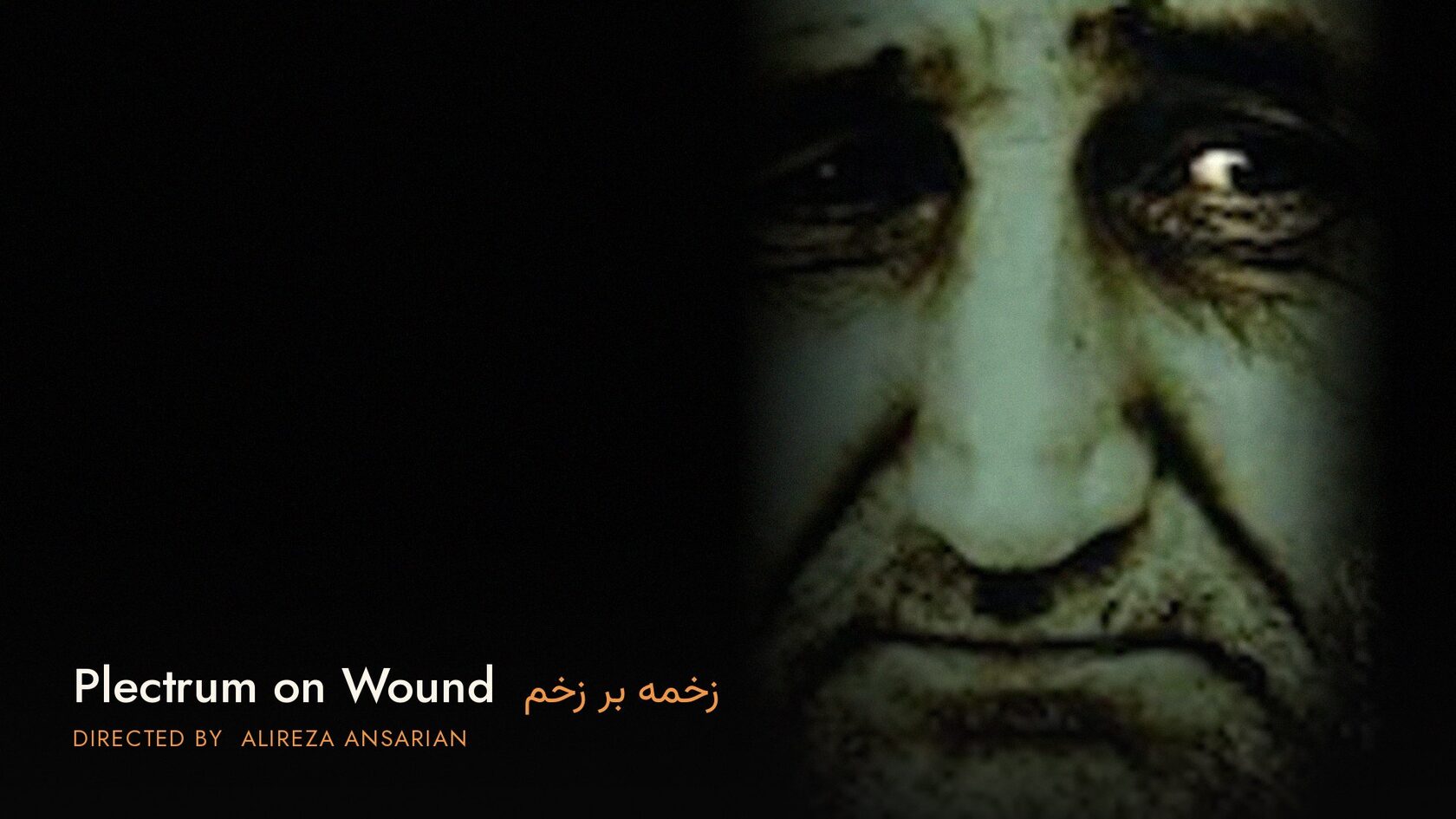
Plectrum on Wound (زخمه بر زخم) — Alireza Ansarian

Friday 20 November · Screening I

Plectrum on Wound (زخمه بر زخم)

Filmmaker: Alireza Ansarian

60 min · Session 18:00–19:00

Read synopsis

A portrait of Büyük Agha Shokurzadeh, an enigmatic tar player from Maragheh whose life became inseparable from his music. Having learned the instrument from his family, he spent years performing at community gatherings before a mysterious turning point led him into isolation. Through his music and personal history, the documentary explores loss, solitude, resilience, and the expressive power of an artistic tradition.

About Alireza Ansarian

Alireza Ansarian (b. 1961, Maragheh) is an Iranian director, screenwriter and photographer. He studied film directing at the IRIB College of Cinema and Television and began working professionally in 1983. His films turn to social and human questions, across fiction and documentary.

From 1991 he worked closely with Abbas Kiarostami as assistant director, set photographer and set designer on And Life Goes On, Through the Olive Trees and Taste of Cherry, and photographed several of their posters.

Plectrum on Wound (1992), his portrait of the Maragheh tar player Büyük Agha, won the Golden Tulip at the Sooreh International Festival. It was selected for Cinéma du Réel in Paris and the Leipzig festival, and broadcast on ARTE. He kept filming him for twenty years, completing the documentary Büyük Agha in 2013. Filmmaker Nasser Taghvai called it a masterpiece and one of the five finest Iranian documentaries. In 2024 Maragheh honoured him for his lifetime contribution to cinema and photography.

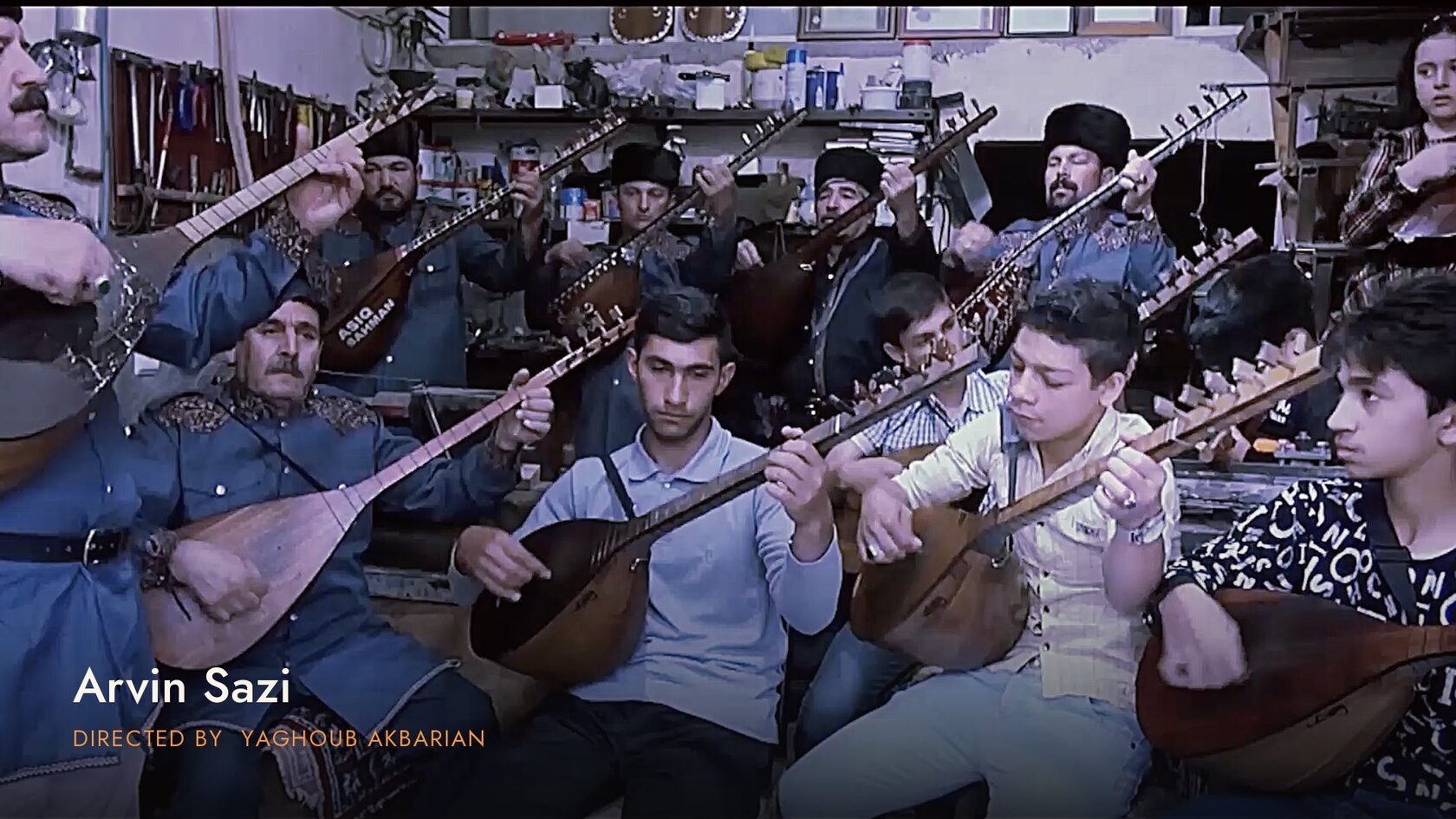
Arvin Sazi — Yaghoub Akbarian

Friday 20 November · Screening II

Arvin Sazi

Filmmaker: Yaghoub Akbarian

15 min · Session 19:45–20:45

Read synopsis

The film explores a long-standing folk belief regarding the reverence and sanctity of the mulberry tree. Valued for its durability, workability, and excellent acoustic properties—as well as its historical association with both musical instruments and silk—the mulberry tree serves as the primary wood used to craft the instruments of the Ashiqs (traditional bard-musicians). The narrative transitions from the wood to the instrument, and from the instrument to the people: it captures music classes, rehearsals, solo and ensemble performances, pays tribute to Master Aslan Talebi, and features conversations with Ashiqs about their vital role in preserving the stories and oral traditions of their community. The film traces the journey of the mulberry tree as it is transformed into a musical instrument, alongside the journey of the Ashiq tradition as it is passed down to the next generation.

About the filmmaker

Yaghoub Akbarian, born in 1977 in Miandoab, West Azerbaijan, Iran, is a filmmaker, writer, director and producer working across documentary and narrative cinema. Since beginning his career in 2005, he has made more than 30 films exploring social issues, human experience, and the lives of children. Alongside directing and producing, he has worked as an actor, editor and sound editor. His films include Genocide, A Butterfly Among the Minarets, That Man Came, Innocent, and Mother, Help Me. His documentary Arvin Sazi reflects his commitment to documenting and preserving Azerbaijani cultural heritage.

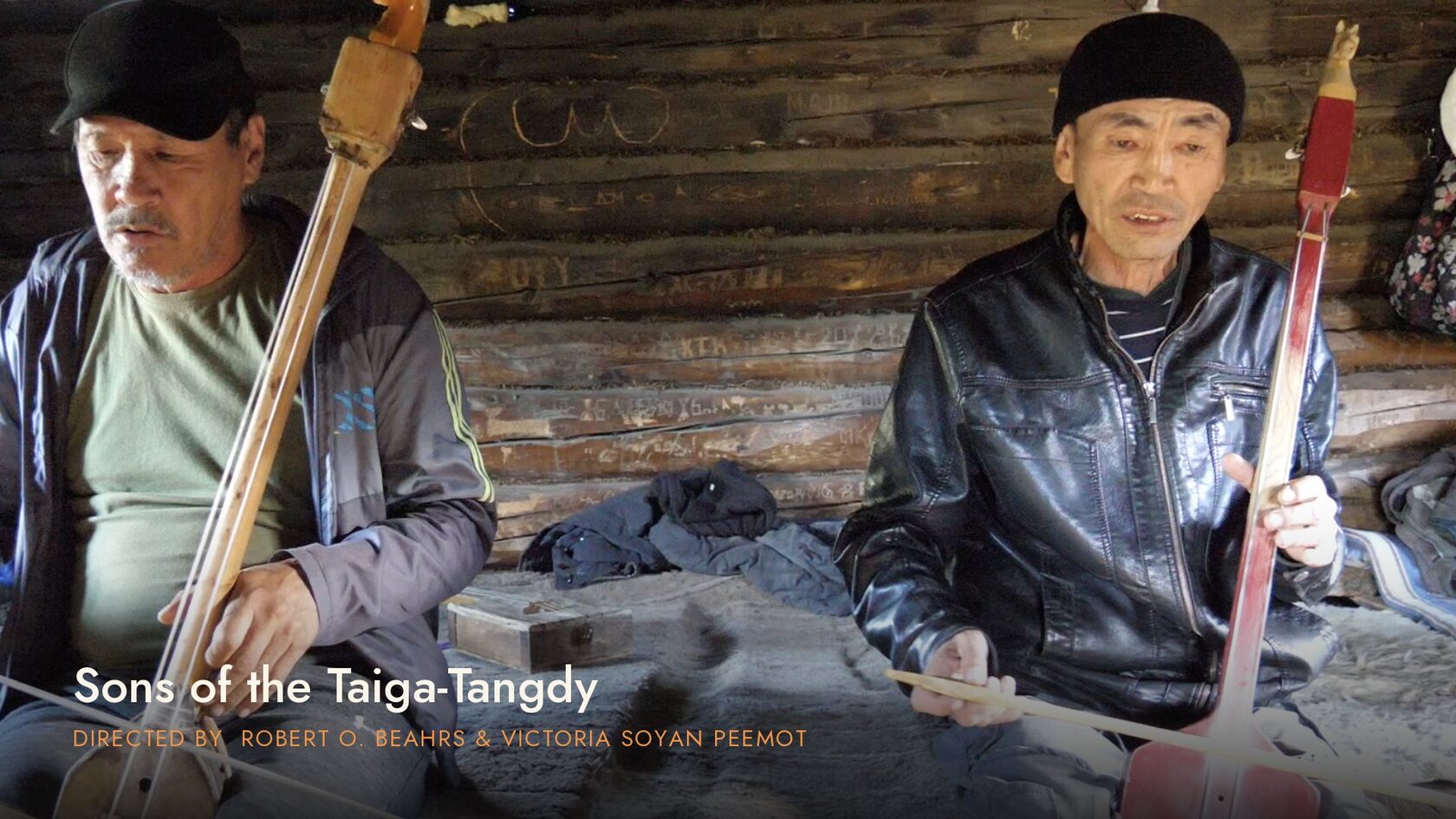
Sons of the Taiga-Tangdy: Gifts of Music and Medicine in the Bayan-Dugai Mountains — Robert O. Beahrs and Victoria Soyan Peemot

Friday 20 November · Screening II

Sons of the Taiga-Tangdy: Gifts of Music and Medicine in the Bayan-Dugai Mountains

Filmmakers: Robert O. Beahrs and Victoria Soyan Peemot

30 min · Session 19:45–20:45

Read synopsis

Sons of the Taiga-Tangdy traces entanglements of musicality, medicine and kinship in the mountainous homelands of Orlan Tokaevich Mongush, a gifted musician from the Chöön-Khemchik school of throat song masters in the Tyva Republic. The filmmakers recount a 2018 journey with Orlan to summer pastures he had not visited for more than thirty years. Suffering from an illness that had caused him to stop singing, Orlan drinks mountain water, eats wild rhubarb and shares songs with his brothers and the filmmakers. He understands his return as a joyful encounter with the beings who dwell in and guard these mountains, uplifting his body and spirit through gifts of music and medicine.

About Robert O. Beahrs

Robert O. Beahrs is an ethnomusicologist and sound artist from Minnesota currently living in Istanbul. His research examines more-than-human kinship, sociomaterial geographies of voice, and the politics of heritage in Inner, Central, and West Asia. Through multispecies ethnography and practice-based research, he seeks to understand music’s role in transforming shared consciousness, ecological sensibility, and community well-being. He studied music at Pomona College and received his M.A. and Ph.D. in ethnomusicology from the University of California, Berkeley. After working for several years as a postdoctoral fellow at the University of Pittsburgh, he joined the Center for Advanced Studies in Music (MIAM) at Istanbul Technical University as a lecturer in ethnomusicology.

About Dr Victoria Soyan Peemot

Dr Victoria Soyan Peemot is a researcher and a community advocate who grew up at the Tyvan-Mongolian borderland in a livestock herding family. Her research weaves together Tyva transnational kinship, multispecies relations, and the continuity of pastoralist lifeways and is guided by aaldaar, the Tyvan customary practice of relational reciprocity that extends to land and other-than-human beings. She holds a PhD in History and Cultural Heritage Studies from the University of Helsinki (2021). Her book The Horse In My Blood (2024) explores human-horse-homeland relationships and histories of state violence. Her second book Songs of Tyva: A Guide to Tyvan Culture and Language (2026) draws on emplaced storytelling through folk songs and photographs of the featured landscapes.

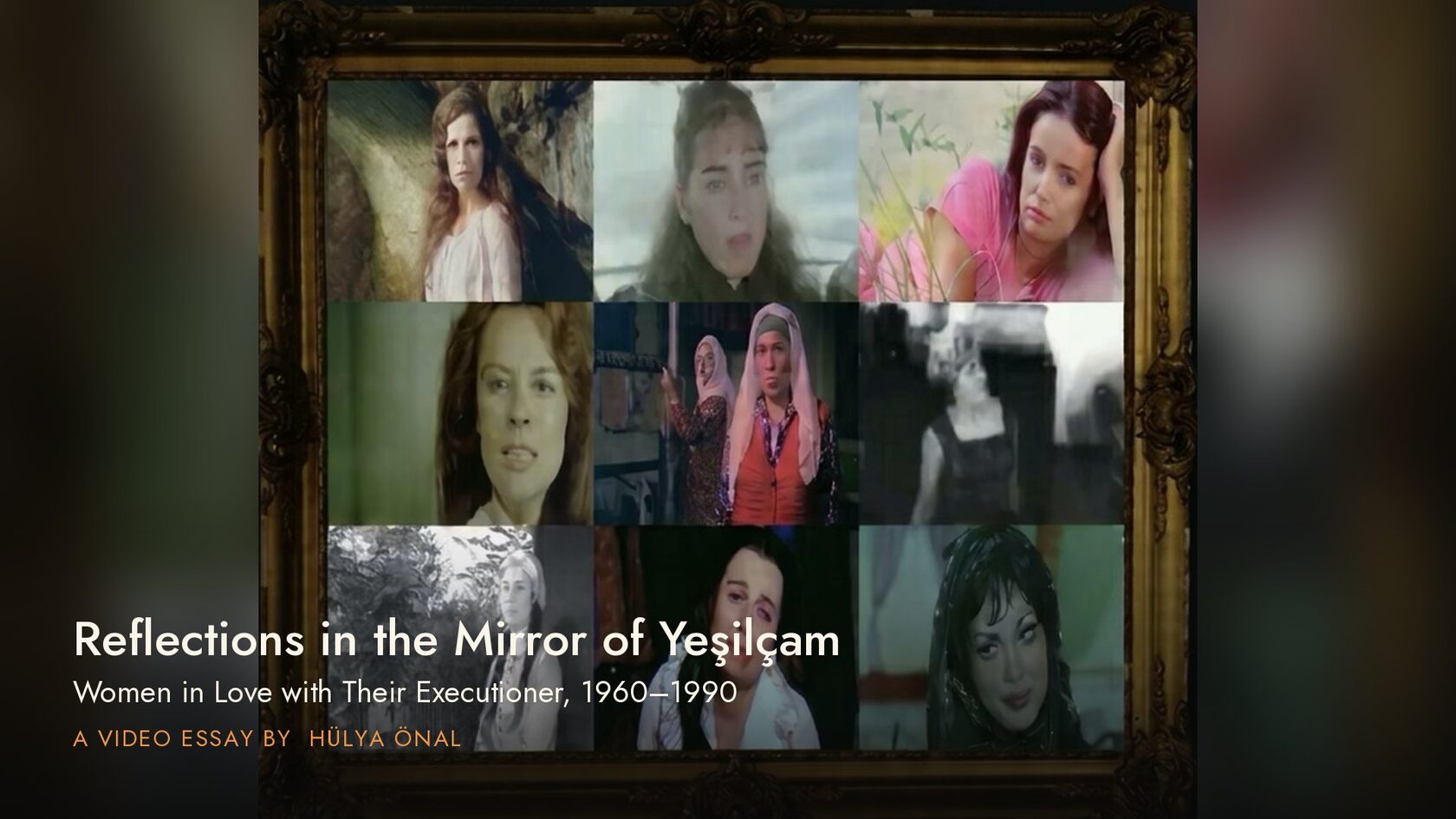
Reflections in the Mirror of Yeşilçam: Women in Love with Their Executioner, 1960–1990 — Hülya Önal

Saturday 21 November · Screening I

Reflections in the Mirror of Yeşilçam: Women in Love with Their Executioner, 1960–1990

Filmmaker: Hülya Önal

12 min · Session 18:00–18:45

Read synopsis

This video essay examines the recurring representation of women who fall in love with their abusers in Turkish Yeşilçam cinema. Through images and sounds from these films, Hülya Önal questions cinematic narratives of violence against women and their distance from women’s lived experiences.

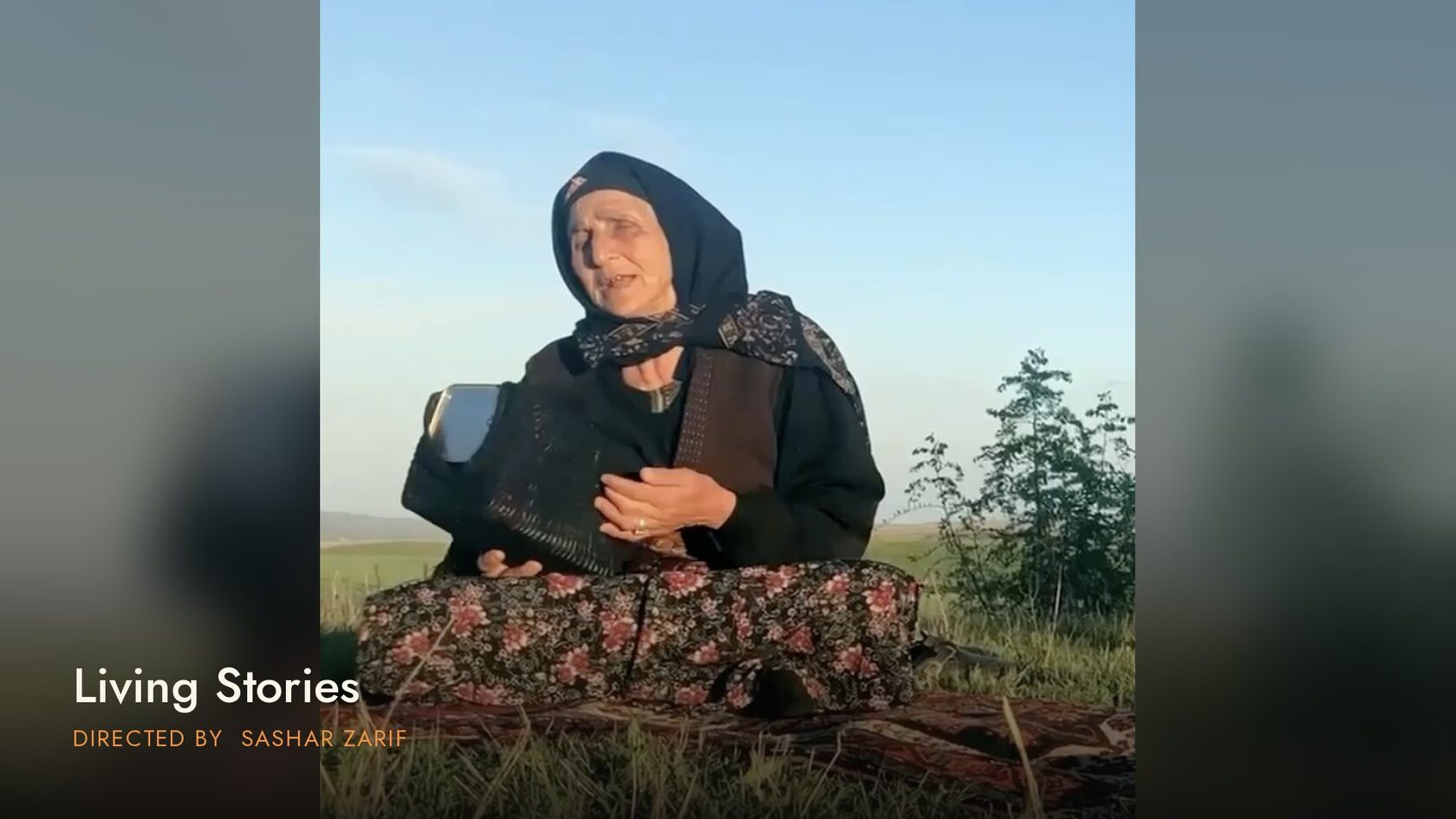
Living Stories — Sashar Zarif

Saturday 21 November · Screening I

Living Stories

Filmmaker: Sashar Zarif

30 min · Session 18:00–18:45

Read synopsis

Across three decades and forty countries, Living Stories traces a journey through movement, memory, and the many ways human experience is carried across generations and cultures. Drawing on archival footage of performances, encounters, rehearsals, and fieldwork, the film unfolds as an embodied ethnography and an intimate act of self-inquiry. Here, the artist is both witness and participant, and the body becomes not only a keeper of memory but a living place of discovery. Rather than reconstructing the past, Living Stories asks how the lives we have encountered continue to move within us, shaping who we are and who we may yet become.

Edited by Imran Babur. Supported by the Canada Council for the Arts.

About the filmmaker

Sashar Zarif is a Toronto-based transdisciplinary artist, choreographer, filmmaker, composer, and researcher whose practice spans more than three decades and forty countries. Drawing on the musical, movement, and storytelling traditions of Central and Western Asia, his work explores the relationships between memory, embodiment, cultural continuity, and belonging. He is the creator of Living Stories, an artistic and educational framework integrating the thinking, sounding, and moving body. A former faculty member at York University’s Department of Dance, Zarif works across performance, film, research, and education, bringing embodied knowledge into dialogue with contemporary artistic practice.

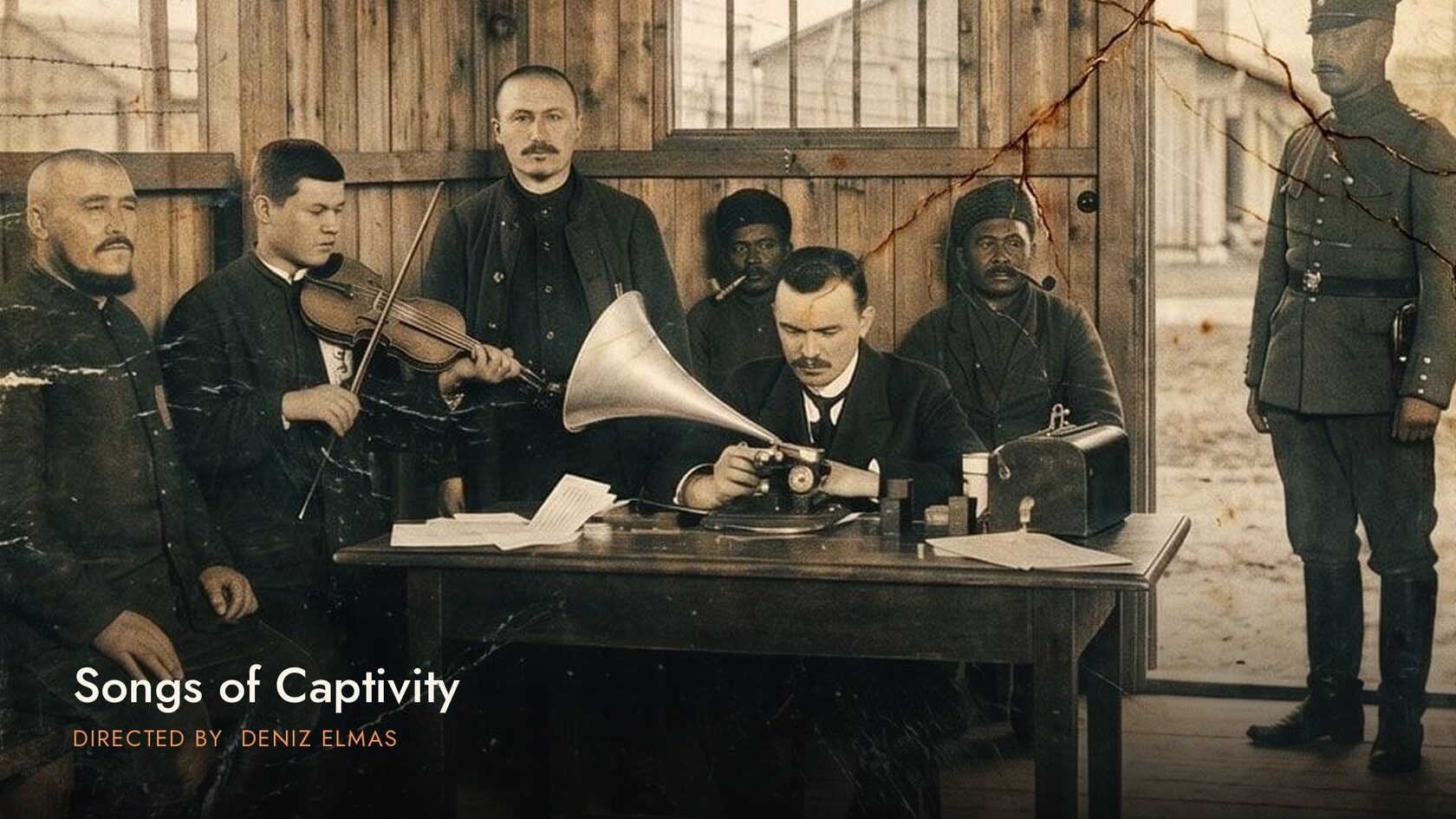
Esaretin Türküleri – Geçmişten Gelen Sesler / Songs of Captivity – Voices from the Past — Deniz Elmas

Saturday 21 November · Screening II

Esaretin Türküleri – Geçmişten Gelen Sesler / Songs of Captivity – Voices from the Past

Filmmaker: Deniz Elmas

35 min · Session 19:15–20:00

Read synopsis

Based on the book edited by Prof. Dr. Abdullah Akat, Songs of Captivity – Voices from the Past traces recordings of Crimean Tatar prisoners held in German camps during the First World War. Preserved in Berlin’s sound archives, their songs, stories and spoken words carry memories of lives shaped by captivity. Through these historical recordings, the documentary brings distant voices into the present, exploring the relationship between music, language, cultural memory and living heritage.

Based on the book edited by Prof. Dr. Abdullah Akat.

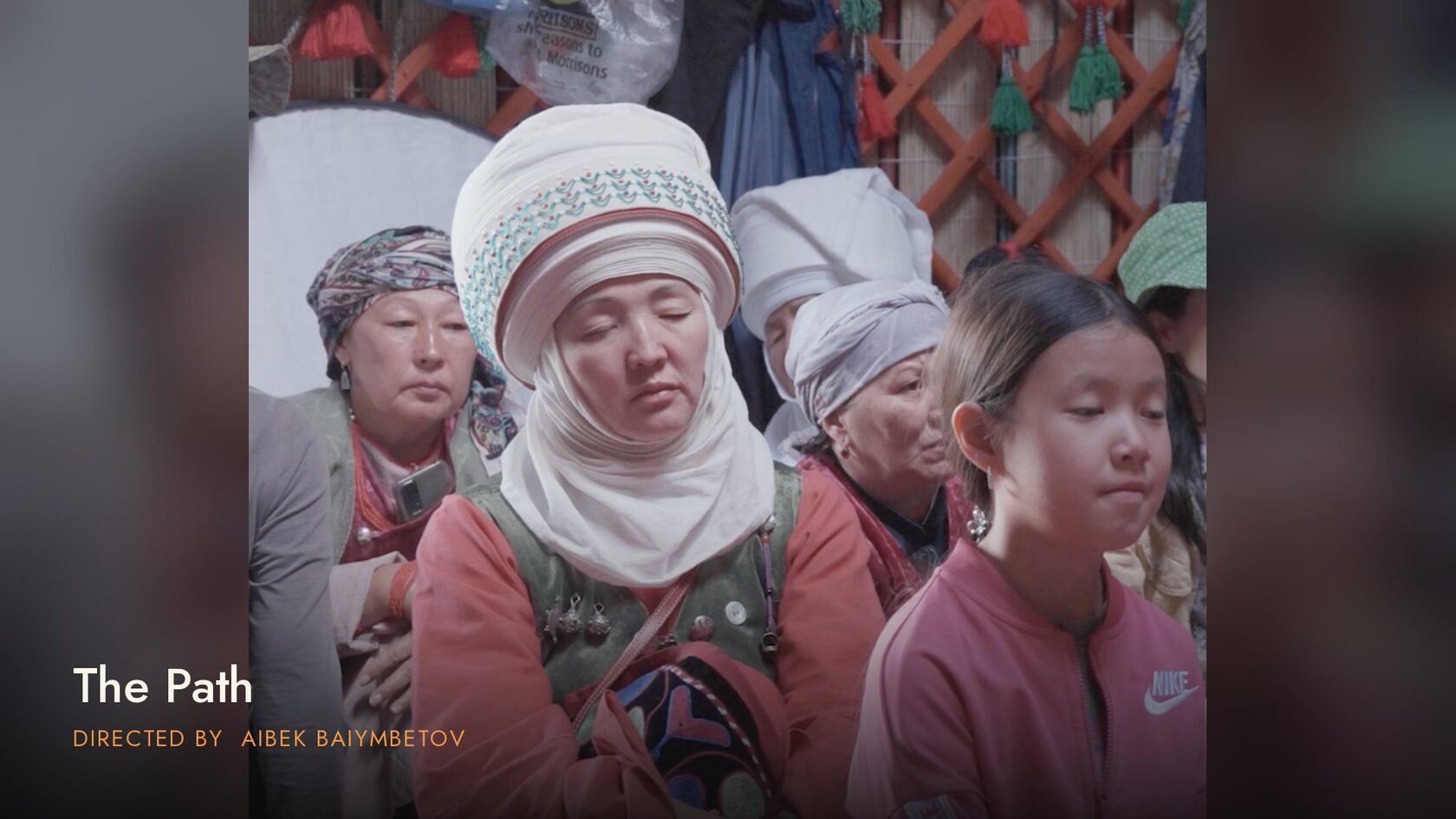
The Path — Aibek Baiymbetov

Sunday 22 November · Screening I

The Path

Filmmaker: Aibek Baiymbetov

40 min · Session 18:00–19:00

Read synopsis

Kulmat is a storyteller of the Kyrgyz Manas epic who lives in the Talas region of northwestern Kyrgyzstan. He became an epic storyteller at the age of twenty after visionary dreams—ayan—in which he encountered ancestral spirits and the heroes of the epic. Since then, he has dedicated his life to performing Manas among the people. As traditional performing arts face changing perceptions and contemporary challenges, Kulmat works to preserve the institution of apprenticeship. Through his school for young storytellers, he nurtures the next generation and helps sustain the sacred art of live epic performance.

About the filmmaker

Aibek Baiymbetov is an ethnomusicologist and filmmaker. He is pursuing doctoral studies in Ethnomusicology at Wesleyan University. His research focuses on oral traditions, particularly the performance of the Kyrgyz epic Manas, as well as ritual and musical traditions of Central Asia. His films explore cultural heritage, music, and climate change.

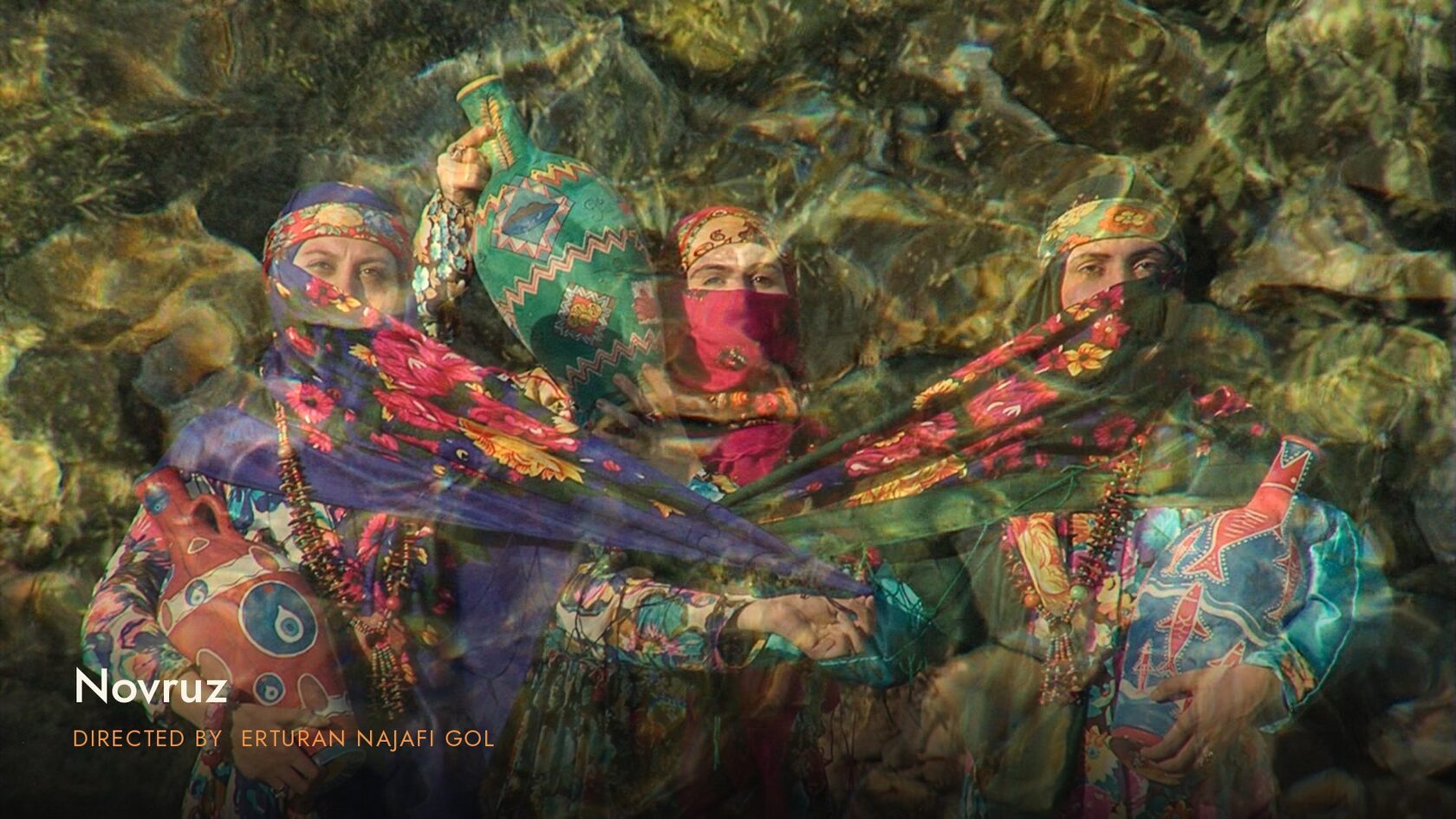
Nowruz (2023) — Erturan Najafi Gol

Sunday 22 November · Screening I

Nowruz (2023)

Filmmaker: Erturan Najafi Gol

20 min · Session 18:00–19:00

Read synopsis

Influenced by legends and mythological beliefs, Iranian and Azerbaijani Turks welcome the new year with special rituals in the last month of the year, emphasising the four basic elements of new life: water, fire, air and earth.

About the filmmaker

Erturan Najafi Gol is an Iranian filmmaker and actor of Azerbaijani heritage, working across documentary and fiction in film, television and theatre. His work centres on Azerbaijani culture, traditions and rituals. He studied film directing at the Iranian Youth Cinema Society and Azerbaijan State University of Culture and Arts, and has performed in Iranian, Azerbaijani and international productions. He also supports international productions filming in Baku with translation, production management and locations. His film Voice was selected for the Kazan International Muslim Film Festival in 2017. His documentary Nowruz (2023) won First Prize for Short Documentary at the 8th Turkish World Documentary Film Festival and screened in India and Türkiye. His recent films include Twilight (2025) and The Knot (2026).

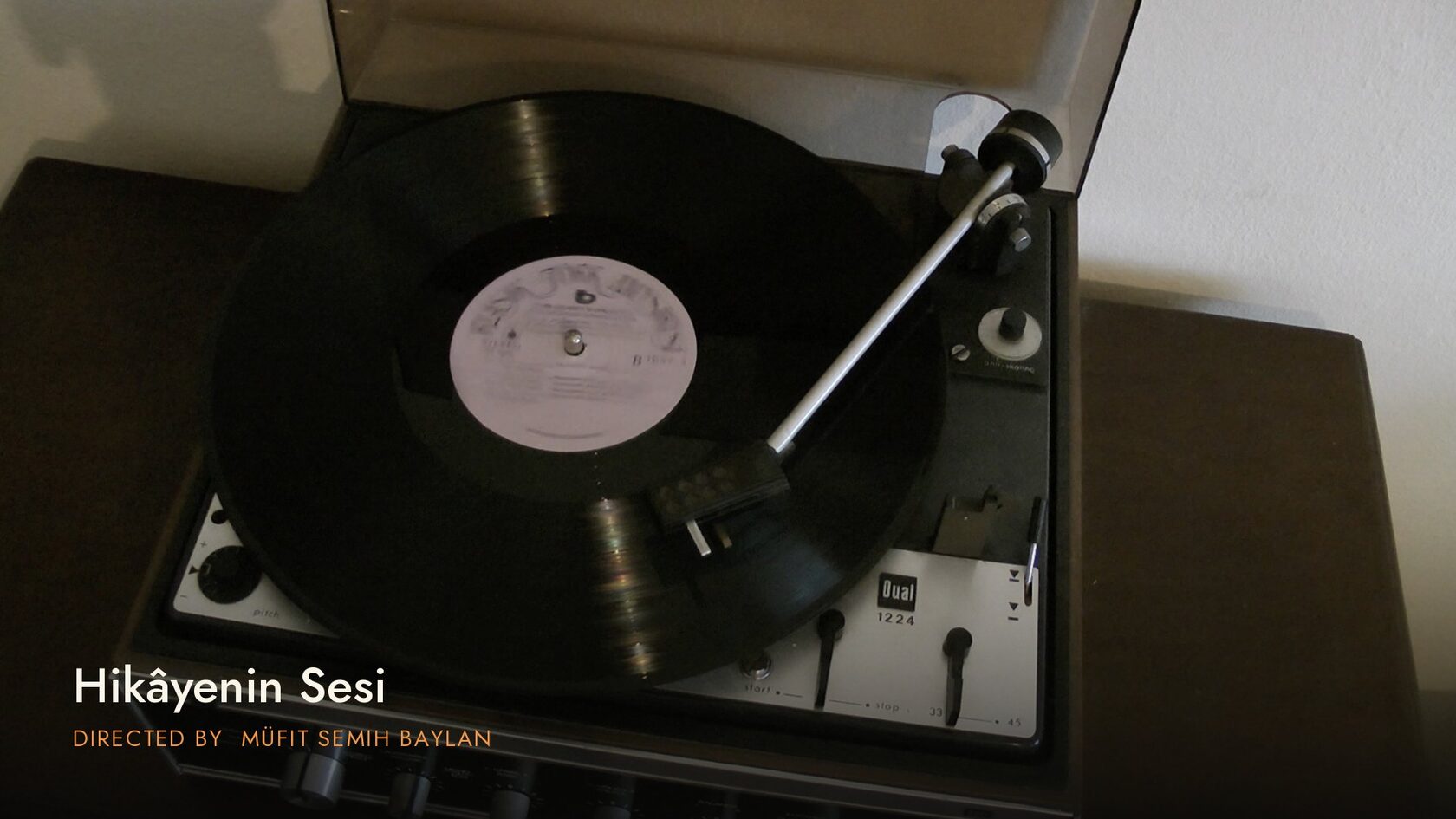
Hikâyenin Sesi / The Sound of the Story — Müfit Semih Baylan

Sunday 22 November · Screening II

Hikâyenin Sesi / The Sound of the Story

Filmmaker: Müfit Semih Baylan

20 min 21 sec · Session 19:45–20:45

Read synopsis

This video documentary presents selections of works by composers from the classical and neo-classical periods of classical Turkish music, featured in an album produced through a special collaboration between Türk Ticaret Bankası and the Foundation for Research on the Turkic World in 1987. Alongside the music, it recounts the stories behind these pieces—tales passed down through generations that are now at risk of being forgotten.

About the filmmaker

Born in Trabzon in 1957, he spent his childhood and early youth in Aksaray and Trabzon. At one stage in his education, he studied at the Ankara State Conservatory. He worked for many years at the Trabzon State Theatre, serving in roles such as sound and effects designer and stage manager (conduit), eventually retiring from this institution. He has authored significant research works—such as “Musicians from Trabzon and Those Who Left a Mark on Our Music”—that shed light on the musical culture of his region. He is the founder of the Mavi Nota (Blue Note) e-Music Gazette and the Mavi Nota Music Awards. An avid archivist, he possesses an extensive collection of phonograph records. He has produced notable documentaries on various subjects, published several books, and written numerous articles. He currently resides in Trabzon.

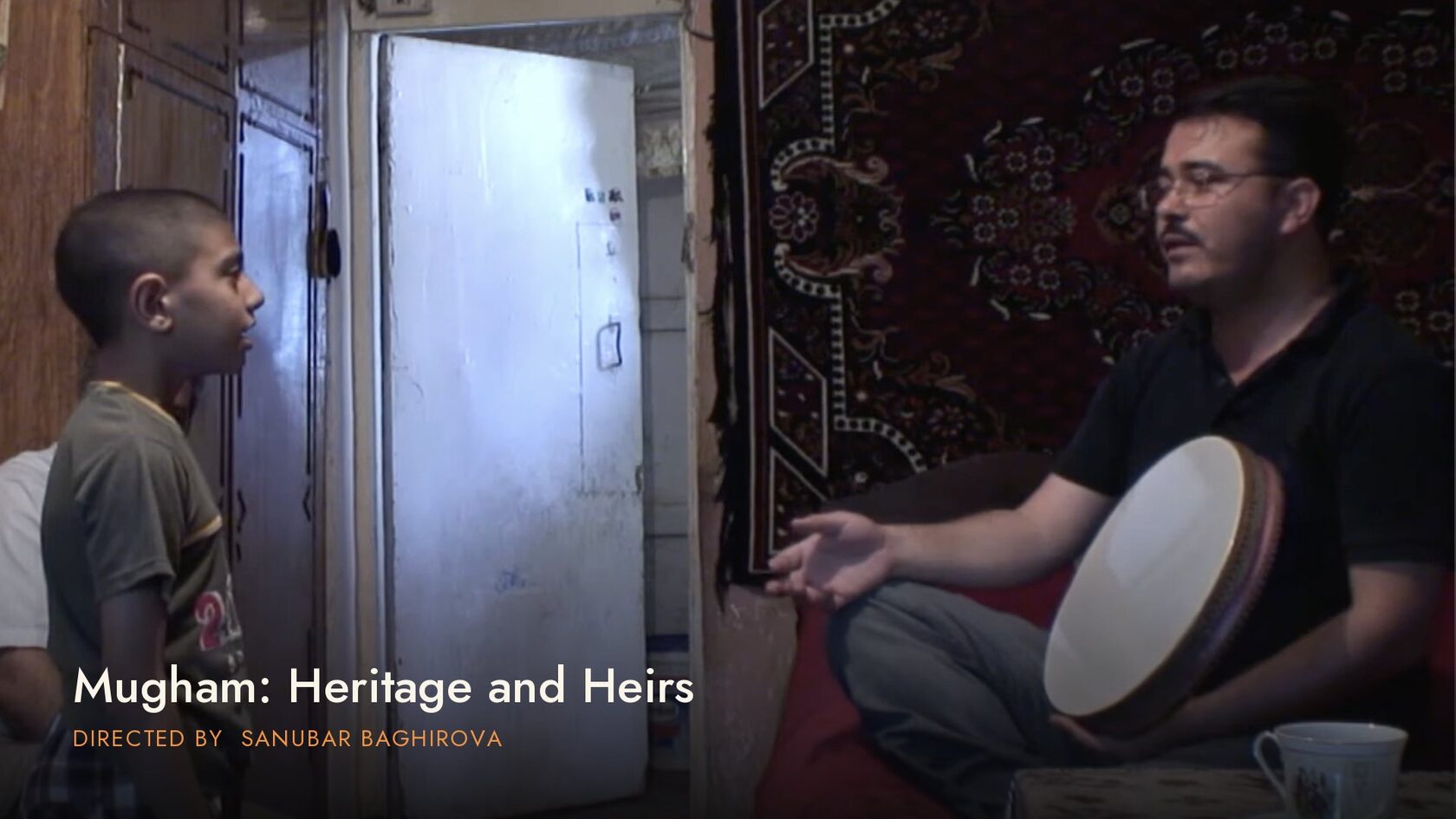
Mugham: Heritage and Heirs — Sanubar Baghirova

Sunday 22 November · Screening II

Mugham: Heritage and Heirs

Filmmaker: Sanubar Baghirova

Documentary · 23 min · Session 19:45–20:45

Read synopsis

The art of Azerbaijani mugham represents, in a certain sense, an artistic paradox: while it is a sophisticated classical heritage that demands both a professional performer and a knowledgeable listener, it remains deeply accessible even to those with no formal training. Among the film’s subjects are professional musicians who have performed on stages across Europe, the USA, Asia, Australia and the Middle East, alongside amateurs: homemakers, drivers, construction workers, schoolteachers and even children.

The footage was captured in Baku between 2009 and 2011. Today, nearly two decades later, some of the film’s young protagonists have become professional musicians themselves, while others now make up their audience.

Logline

Azerbaijani mugham is a sophisticated classical art form that unites acclaimed stage masters and ordinary people without formal training, from homemakers and drivers to children. Filmed in Baku between 2009 and 2011, the documentary reflects on a living heritage nearly two decades later, as its young protagonists have grown up to become either professional musicians or their devoted audience.

About Dr. Sanubar Baghirova

Dr. Sanubar Baghirova, associate professor and a Merited Art Worker of Azerbaijan, is the author of three successful UNESCO nominations: on Azerbaijani mugham (in co-authorship with Jean During), on the art of Azerbaijani ashiqs, and on the Azerbaijani tar; of the books Azerbaijani Mugham (2007) and Azerbaijani Music and Musicians (2011); and of the documentary film The Ancient Arts of Mugham and Ashiq in the XXI Century (UK). She has recorded and released 29 CD albums of Azerbaijani traditional music, licensed by INEDIT (France), ARC Music (UK), Felmay Records (Italy) and the Ministry of Culture of the Republic of Azerbaijan, and has also initiated and contributed to a number of BBC Radio 3 World Routes programmes on Azerbaijani traditional music.
OBA Film & Video Festival and Residency 2026
Unheard Stories · 19–23 November · Çanakkale, Türkiye

Made on
Tilda